Structural Pruning
Why Structural Pruning Matters for Mature Trees
Structural pruning is one of the most valuable investments homeowners can make in the long-term health and safety of their trees. Unlike routine trimming that simply removes overgrown branches, structural pruning is a carefully planned process focused on improving the tree's architecture, reducing future failure points, and encouraging balanced growth.
At The Tree Lady Company, every structural pruning recommendation is based on the tree's age, species, growth pattern, surrounding structures, and long-term health. Our Board Certified Master Arborists evaluate each tree individually before making selective pruning cuts that support healthy development while preserving as much of the natural canopy as possible.
When performed correctly, structural pruning can:
- Reduce the likelihood of storm damage
- Improve branch spacing and weight distribution
- Encourage stronger branch attachments
- Increase sunlight and airflow through the canopy
- Reduce stress caused by competing limbs
- Extend the lifespan of mature trees
- Improve overall appearance without excessive thinning
What Are Co-Dominant Stems?
Many large shade trees develop two or more trunks that grow side by side. These are known as co-dominant stems.
While they may appear healthy, these stems often create weak attachment points that become more dangerous as the tree matures. During heavy winds or hurricanes, these unions frequently split apart because bark becomes trapped between the stems instead of allowing strong wood connections to form.
During a structural pruning evaluation, our arborists inspect for:
- Co-dominant trunks
- Included bark
- Weak branch unions
- Overextended scaffold limbs
- Heavy end weight
- Unbalanced canopies
Addressing these issues early often prevents major failures years later.
Structural Pruning Before Hurricane Season
Florida homeowners know hurricane season places tremendous stress on mature trees.
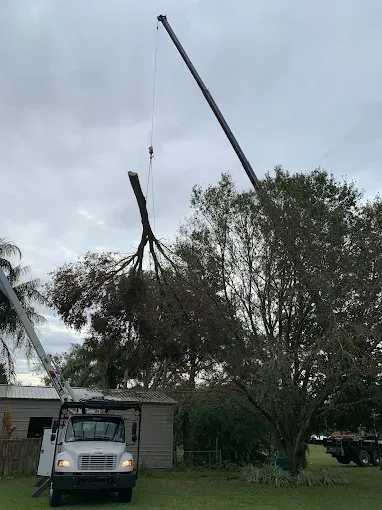
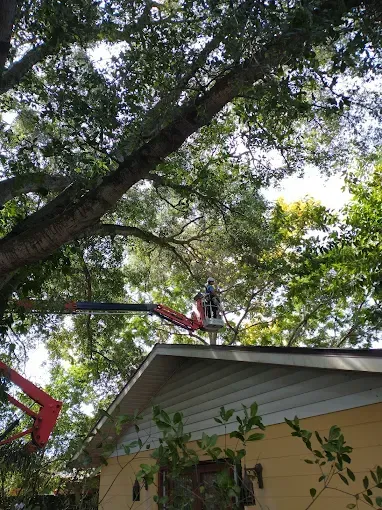
Proper structural pruning before storm season can significantly reduce the risk of limb failure by removing defects before they become emergencies.
Our hurricane preparation evaluations focus on:
- Deadwood removal
- Weak branch attachments
- Long overextended limbs
- Crossing branches
- Weight reduction in vulnerable areas
- Trees growing over homes, driveways, and power lines
Preventive pruning is almost always safer, less expensive, and less disruptive than emergency storm cleanup after severe weather.
ANSI A300 Standards Explained
The audit specifically recommends naming ANSI A300 standards and explaining their importance.
Professional tree care should follow nationally recognized ANSI A300 pruning standards. These standards establish best practices for pruning methods that protect tree health while improving structural integrity.
ANSI A300 guidelines help determine:
- How much foliage can safely be removed
- Where pruning cuts should be made
- How to preserve the tree's natural defense systems
- Proper reduction techniques
- Appropriate corrective pruning methods
- Long-term canopy management
Following these standards reduces unnecessary stress on the tree and promotes healthy growth for years to come.
Signs Your Tree May Need Structural Pruning
Many structural problems develop slowly and may not be obvious until a branch fails.
Schedule an arborist evaluation if you notice:
- Two large trunks growing together
- Branches rubbing against one another
- Limbs extending far beyond the canopy
- Heavy branches over your roof
- Trees leaning after storms
- Dead interior branches
- Large horizontal limbs sagging
- Dense canopies that block airflow
- Frequent branch drop during storms
Early intervention is often simpler and less costly than waiting for damage to occur.
Our Structural Pruning Process
- On-site arborist consultation
- Tree health evaluation
- Risk assessment
- Structural analysis
- ANSI A300 pruning plan
- Professional pruning
- Final cleanup
- Long-term maintenance recommendations
Frequently Asked Questions
How is structural pruning different from tree trimming?
Structural pruning focuses on improving a tree's long-term strength and branch structure, while routine trimming is generally performed for appearance, clearance, or maintenance. Structural pruning targets weak branch unions, competing leaders, and future growth patterns to reduce the risk of storm damage and extend the life of the tree.
Will structural pruning make my tree look bare?
No. Structural pruning is selective rather than aggressive. Most healthy trees retain the majority of their canopy while gaining improved balance, better branch spacing, and stronger structural support.
How often should structural pruning be performed?
Most mature trees benefit from periodic evaluations every three to five years, although younger trees may require more frequent corrective pruning during early development.
Can structural pruning prevent storm damage?
No tree can be made completely storm-proof, but correcting weak branch unions, reducing excessive limb weight, and improving canopy balance can significantly reduce the likelihood of major failures during severe weather.
Is structural pruning better than removing a tree?
Whenever possible, preserving a healthy tree through structural pruning is preferable to removal. Our Board Certified Master Arborists recommend removal only when a tree presents an unacceptable safety risk or cannot be reasonably preserved.
How long does structural pruning take?
Most residential projects can be completed in a single day, depending on the size of the tree, property access, and the scope of work.
Why Homeowners Throughout Polk County Choose The Tree Lady Company
When homeowners need structural pruning, they want more than someone who can remove branches—they want an experienced arborist who understands how trees grow, respond to stress, and recover over time.
The Tree Lady Company combines science-based pruning practices with decades of field experience to help protect mature trees throughout Winter Haven, Lakeland, Bartow, Lake Wales, Auburndale, Haines City, Davenport, and surrounding Polk County communities. Every recommendation is focused on preserving tree health whenever possible while improving safety, reducing storm risk, and extending the life of your landscape